Charu Gaur
Charu Gaur is the founder/editor of Runway Square. Don't ask her to meet over tea or coffee. She's currently working on her selfie game which recently went for a toss. Tips are welcome..
- 4 November 2026
- TRAVEL + JETSET
This Indian Luggage Brand Offers Your Suitcase A First Class Upgrade
With zipperless construction, sculptural aluminium and a considered approach to personalisation, Navigo is rethinking the suitcase as an object of industrial design and personal expression.
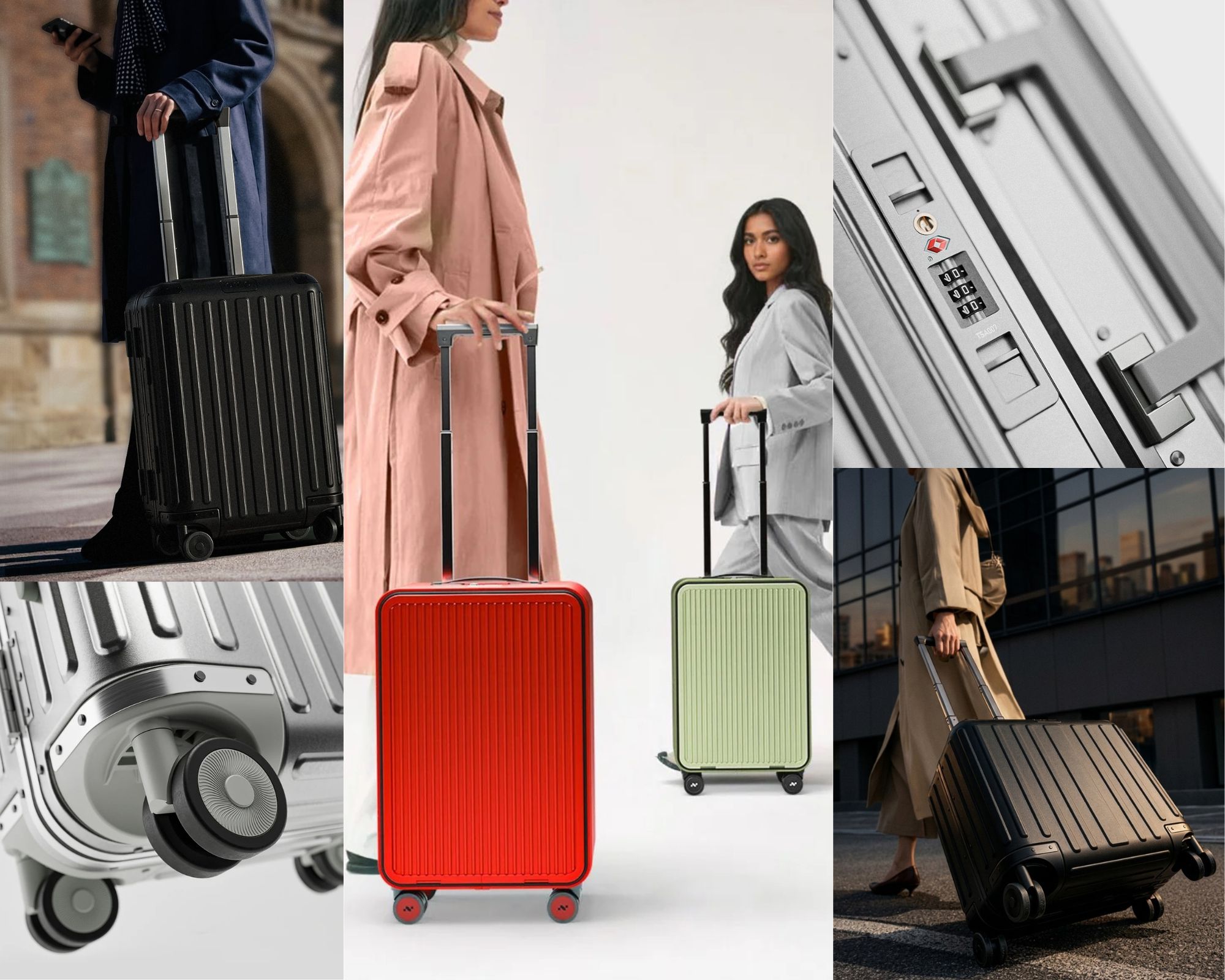
For someone who has made a life of travelling well, a suitcase is hardly an afterthought. It is chosen with the same discernment as a favourite piece of luggage, a beautifully cut coat or the bag that has accompanied countless departures. There is an appreciation for materials, construction, proportion and the small details that reveal themselves over time. After all, a suitcase is one of the few possessions that travels through almost every chapter of one’s life. Navigo builds on this idea, bringing a more considered design sensibility to the business of getting from one place to another. Founded by Adbhuv Gupta, a materials science engineer, the brand brings together an understanding of material performance with a sensitivity to form, proportion and usability. Its premise is that a suitcase should be as thoughtfully designed as any other object we use every day, with each detail serving a purpose and contributing to the whole.
With zipperless construction, sculptural aluminium and a considered approach to personalisation, Navigo is rethinking the suitcase as an object of industrial design and personal expression.
Rethinking the Familiar
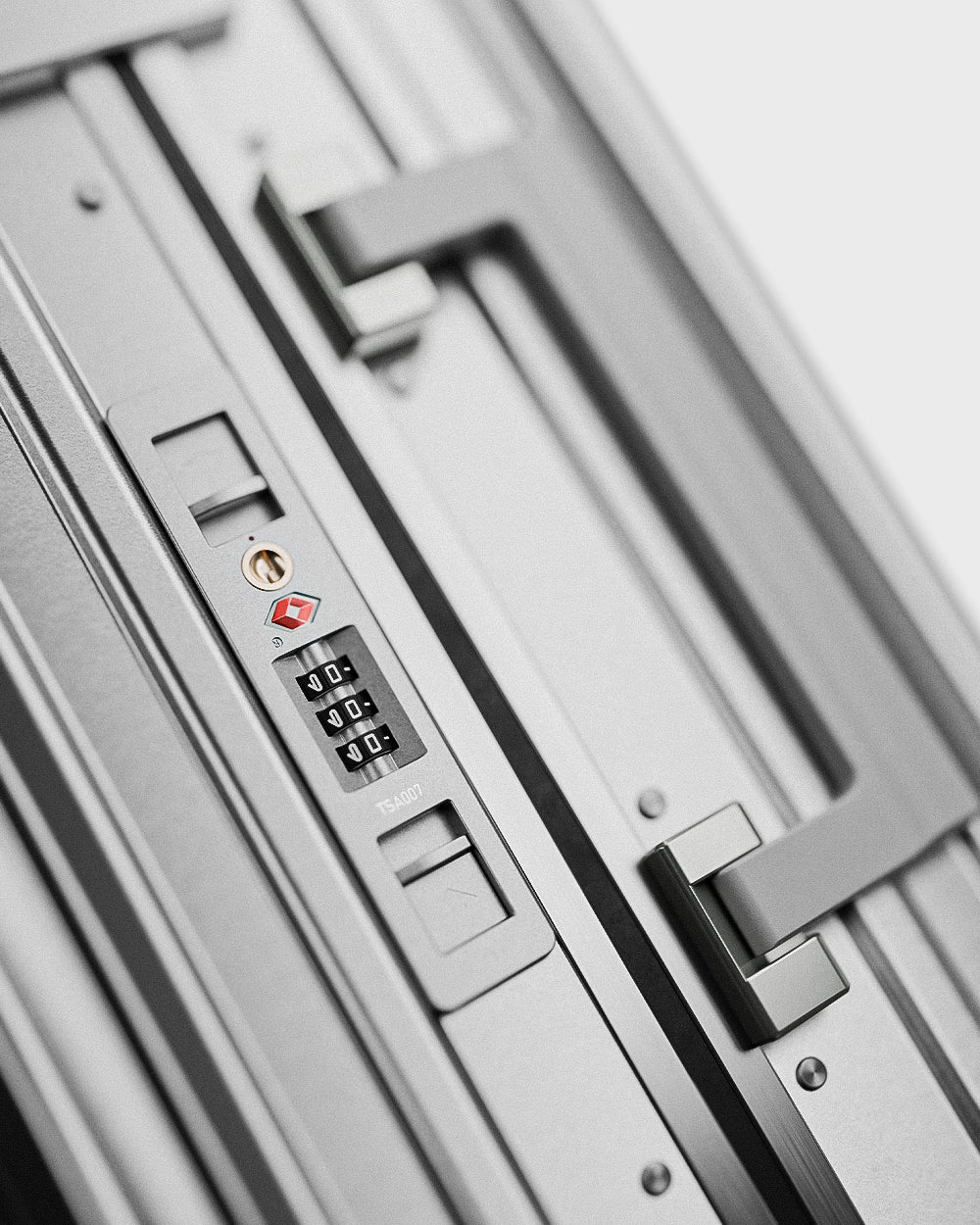
Navigo’s most distinctive decision is to eliminate zippers altogether. In their place, solid latches and a structured closing system offer an alternative to a mechanism long accepted as standard, despite its susceptibility to jamming, damaged teeth and wear. The difference is functional, but also visual. Without a zipper interrupting its silhouette, the suitcase takes on a cleaner, more architectural appearance. It is an example of innovation through reconsideration rather than addition: questioning an established convention instead of simply building around it. That same thinking informs the brand’s approach to materials, where construction is as much a part of the design language as the finished surface.

A Study In Metal
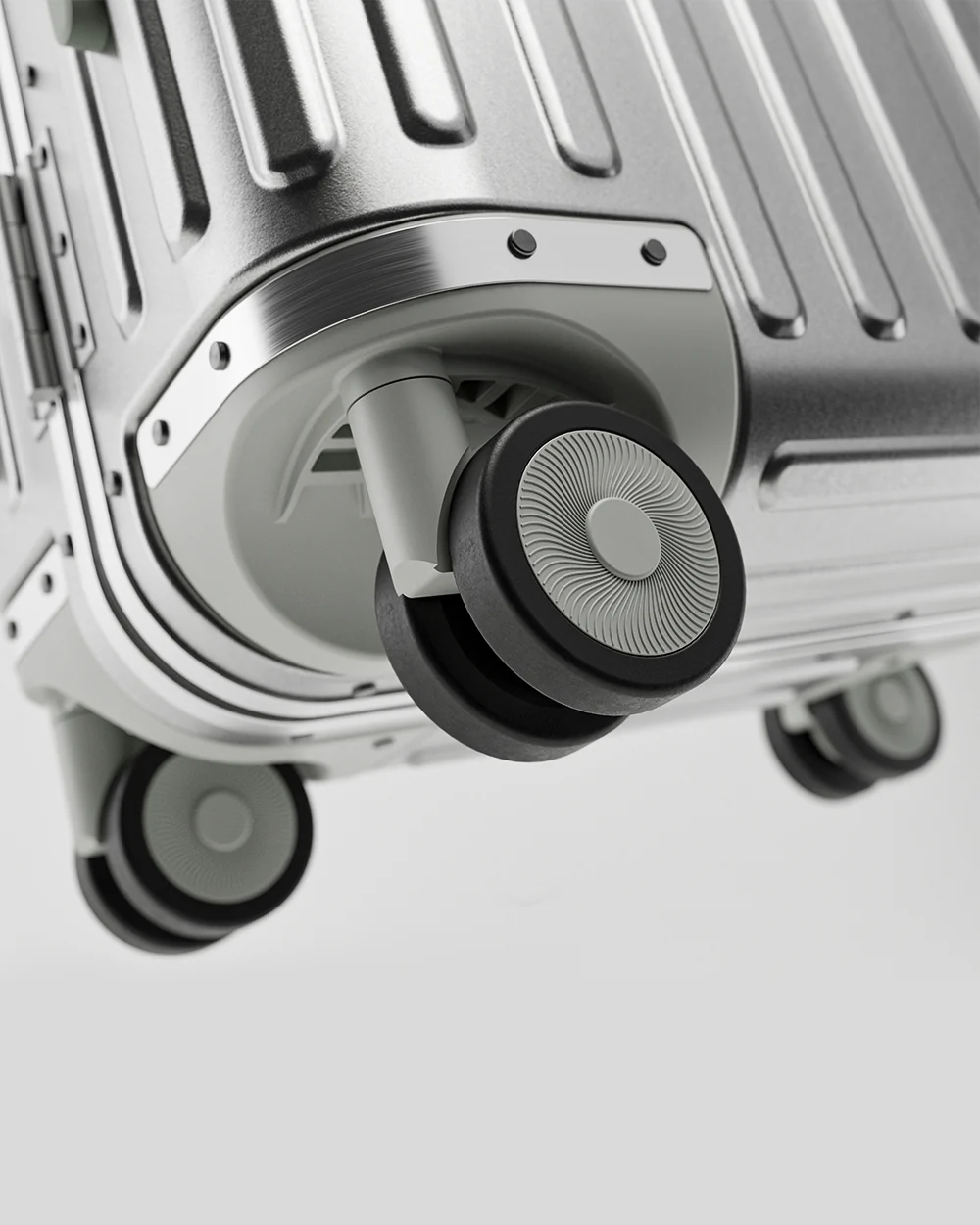
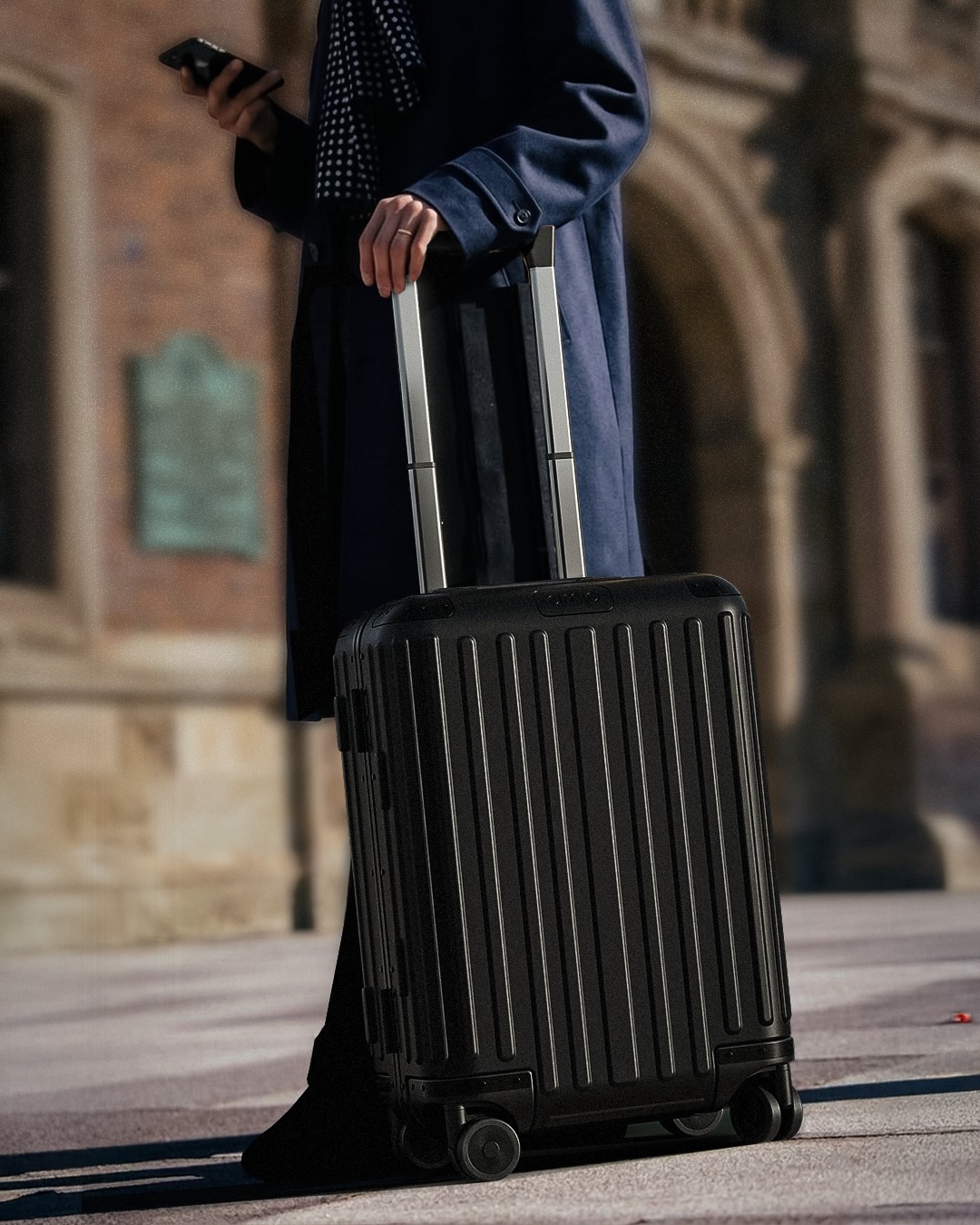
The Titan collection, Navigo’s flagship range, brings this philosophy into focus. Crafted from 100 per cent aluminium, its sandblasted finish, solid latches and considered hardware evoke the precision of engineered objects. The aesthetic is restrained, allowing the metal’s natural character to take precedence over decorative flourishes. Aluminium also has an interesting relationship with time. Dents and surface marks can develop through use, giving each suitcase a history of its own. Rather than treating every imperfection as damage to be concealed, Navigo’s material-led approach invites a different perspective: an object can acquire character through the journeys it makes. Founder adds, “Aluminium has a very distinctive character. It has a presence and material honesty that we find compelling, and it allows the construction itself to become part of the design. With Titan, we wanted to create a statement piece that feels engineered, refined and purposeful, without relying on unnecessary embellishment.”
A Personal Signature
Navigo’s personalisation options allow names, initials and icons to be etched onto aluminium shells. Beyond making a suitcase easier to identify at the baggage carousel, the detail establishes a more personal relationship with an otherwise standardised object. Navigo’s attention to the travel experience extends beyond the suitcase itself. Each piece comes with a complimentary branded sheet mask, an unexpected gesture that acknowledges the less glamorous realities of being on the move: dry cabin air, disrupted sleep and the particular exhaustion of a long-haul flight. It is a small addition, but an interesting one. The gesture shifts the focus from the mechanics of getting somewhere to the experience of being there, recognising that the journey deserves attention in its own right.
Navigo’s ambition is to create a forever travel companion, an object that accompanies its owner through different destinations, experiences and stages of life. Its approach brings material integrity, purposeful innovation and personal expression into a category often defined by specifications alone. What emerges is a more considered understanding of luggage. A closure can be rethought; a material can shape both performance and character; a personal detail can turn a functional object into something meaningful.

Charu Gaur is the founder/editor of Runway Square. Don’t ask her to meet over tea or coffee. She’s currently working on her selfie game which recently went for a toss. Tips are welcome.